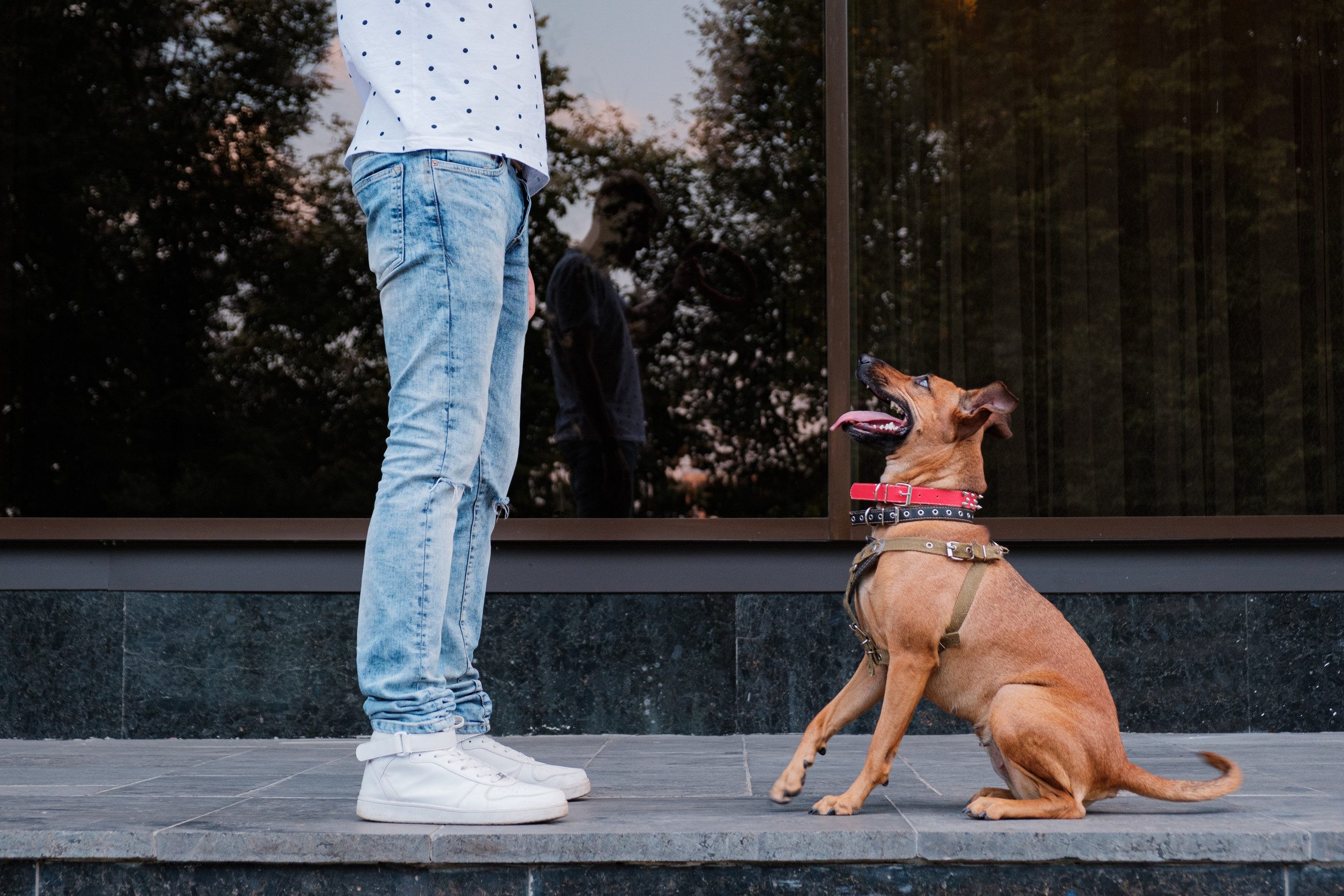
Seizure dogs have the unique responsibility of detecting the onset of a seizure, alerting their handlers, and responding to alleviate the injury associated with one. These dogs, however, do not get to this stage without months, if not years, of specialized training.
People diagnosed with epilepsy or similar seizure disorders can effortlessly rely on their seizure dogs to notice something they cannot. This can include a change in their body chemistry, muscle tremors, dizziness, and even the onset of fear.
These animals go beyond being ordinary pets; they are at the frontline of seizure detection, serving as partners, protectors, and lifelines. If you or a loved one requires a seizure dog, understanding how these dogs are trained can help you make informed decisions. It can also shed light on the kind of support a seizure dog offers.
What Are Seizure Dogs?
Before delving into the training of seizure dogs, it is essential to understand what a seizure dog is.
Seizure dogs are interchangeably known as seizure response dogs or seizure alert dogs. These dogs are service animals specifically trained to assist individuals with diagnosed seizure disorders. They differ from therapy dogs or emotional support animals in that they perform specific, task-oriented behaviors that directly mitigate any danger associated with a seizure.
While some seizure dogs are trained to recognize pre-seizure signals, others are trained to react to the occurrence of a seizure. Many dogs do both. A seizure dog would give its handler a critical window to prepare before the onset of an attack, or position themselves after one to prevent injury, alert nearby people, or fetch help.
In either case, these dogs are invaluable to people living by themselves or in environments where immediate assistance may not be readily available. It isn’t uncommon to assume that all seizure dogs can predict seizures, but this is not the case.
Realistically, only some dogs have the required innate sensitivity to detect the subtle, almost non-existent physiological cues that precede a seizure. Training can enhance these natural abilities, ensuring the dog performs reliably when it matters the most.
Seizure dogs help reduce anxiety, maintain independence in daily activities, offer physical protection, and improve overall quality of life, in addition to emotional reassurance.
For more context, our guide on service dogs for seizures provides an overview of what these animals can do and how they assist their handlers.
The Training Process: From Pup to Protector
Training a seizure dog is more than teaching a few simple commands; it’s a comprehensive program that combines obedience, socialization, specific task execution, and ongoing support. It begins with selecting the right dog.
Choosing the Right Dog
Temperament is crucial. Dogs destined to become seizure service animals should exhibit signs of calmness, confidence, and sensitivity from puppyhood. Breeds such as the golden retriever, Labrador retriever, and poodle stand out as potential candidates due to their trainability and intelligence.
However, breed alone doesn’t guarantee success. Trainers watch out for individual traits, including focus, empathy, and a strong desire to work closely with humans.
Puppies and young dogs are often evaluated through temperament tests that measure sociability, attentiveness, and reaction to stress. Only those who demonstrate a balance of curiosity, calmness, and resilience move on to formal training.
Task-Specific Training
On selecting a suitable dog with the required traits, training begins with foundational obedience. This includes basic sit, stay, and come on commands while navigating public spaces calmly. This ensures that the dog is prepared for the real-world demands of public access as a service animal.
Specialized seizure training comes next:
Alerting to Seizures
Dogs trained to predict seizures are conditioned to respond to subtle physiological cues. Some trainers use scent-based exercises, as dogs may detect chemical changes in the body before a seizure. Others focus on behavioral cues such as changes in posture, movement, or facial expression. Positive reinforcement in the form of treats, praise, or play is used to reward correct alert behaviors.
Responding to Seizures
Once a seizure occurs, the dog must know exactly what to do. Common response tasks include:
-
- Positioning themselves to protect the handler from injury.
- Nudging or licking to provide comfort.
- Activating alert systems or fetching a phone.
- Signaling nearby people or emergency contacts.
Handler Training
The human partner is also trained to interpret the dog’s signals and reinforce behaviors consistently. This ensures both dog and handler operate as a cohesive team.
Training can range between six months to over two years, depending on the dog’s aptitude, the complexity of tasks, and the handler’s involvement. Consistency and patience are critical.
The Necessity and Benefits of Seizure Dogs
Seizure service dogs play a vital role in detecting and responding to the onset of a seizure. Individuals with unpredictable or severe episodes benefit significantly from an early warning.
Beyond alerting or responding, these dogs promote independence in everyday life. Many people with seizure disorders face restrictions on driving, working certain jobs, or living alone safely. A trained seizure dog mitigates some of these limitations by providing reliable intervention and reassurance.
Additionally, seizure dogs reduce the risk of injury during episodes. Seizures often result in falls, head injuries, or accidents involving household hazards. By positioning themselves strategically or alerting others, seizure dogs can significantly reduce these dangers. They also help manage post-seizure confusion and disorientation, providing comfort and stability until the handler recovers.
The presence of a seizure dog can also enhance social confidence and emotional well-being. Handlers frequently report decreased anxiety, improved mood, and greater willingness to engage in social or professional activities. The dual functionality, practical assistance combined with emotional support, makes seizure dogs a unique and indispensable aid for those living with seizure disorders.
Scientific Insights: How Dogs Detect Seizures
Researchers are still investigating how dogs predict seizures. Current theories suggest dogs detect chemical or hormonal changes, such as shifts in pheromones or scent markers, that occur before a seizure. Other research points to dogs observing subtle behavioral cues, such as changes in movement, breathing, or posture, that humans may not notice.
Although the science is still developing, the practical outcomes are clear: seizure dogs often alert handlers minutes or even hours before a seizure begins, allowing for crucial intervention and safety. While no dog is perfect, studies and anecdotal evidence consistently show that these animals provide meaningful, measurable support.
Integrating a Seizure Dog into Daily Life
A seizure dog becomes part of a handler’s daily routine. Beyond training, integration involves:
- Consistent reinforcement: Daily practice keeps skills sharp.
- Mental and physical stimulation: Service dogs need regular exercise and enrichment to maintain focus and health.
- Veterinary care: Routine check-ups and preventative care ensure the dog remains healthy and alert.
- Travel and public access: Handlers may need guidance on ADA rights, airline policies, and public accommodations.
These routines create a structured environment that benefits both dog and handler. They also help prevent burnout or behavioral issues in the dog.
Practical Considerations Before Getting a Seizure Dog
Potential handlers should carefully consider:
- Seizure frequency and severity: Dogs are most beneficial for people with frequent or high-risk seizures.
- Lifestyle compatibility: Service dogs require care, attention, and reinforcement.
- Support network: Trainers, medical professionals, and family can provide vital support.
- Cost: Service dogs can cost tens of thousands of dollars, factoring in training, care, and equipment, though nonprofit grants and fundraising options are available.
For people living with epilepsy, our guide on service dogs for epileptics provides additional insight into the benefits and considerations of adopting a seizure dog.
Emotional and Psychological Benefits
While seizure dogs are task-oriented, they provide emotional support as well. Handlers often report:
- Reduced anxiety and stress.
- Increased independence in daily activities.
- Enhanced confidence in social and public settings.
The bond between handler and dog is profound. Over time, many handlers describe their service dog as a trusted companion who provides both safety and comfort.
Legal and Policy Considerations
Service dogs are protected under the Americans with Disabilities Act (ADA). This grants handlers the right to:
- Access public spaces with their service dog.
- Travel on airplanes with proper documentation.
- Be free from discrimination in housing and employment.
Understanding these rights is essential to ensuring both dog and handler navigate public spaces safely and confidently.
Challenges and Limitations
Despite their capabilities, seizure dogs are not infallible. Not all dogs can predict seizures, and even trained dogs may miss an episode. Handlers must maintain realistic expectations and continue medical treatment while using a service dog.
Training requires time, patience, and dedication. Some dogs progress more slowly than others, and ongoing reinforcement is necessary to maintain skills. These challenges underscore the importance of professional guidance and ethical training practices.
Seizure Dog Training: A Partnership Built on Trust
Training a seizure dog is a journey requiring patience, expertise, and commitment, but the rewards are life-changing. These animals offer a unique combination of predictive alertness, responsive action, and emotional support. They are not a replacement for medical care, but when combined with proper treatment, seizure dogs enhance safety, independence, and quality of life.
For anyone considering a seizure service dog, preparation is key. Understanding the training process, selecting the right dog, and committing to a consistent routine creates the foundation for a successful partnership. With the right support, these remarkable animals do more than assist; they transform lives.