

An emotional support animal is truly a life-saving asset for hundreds of thousands of Americans. From rabbits to dogs (and many species in between), emotional support animals provide assistance and therapeutic benefits to help those living with mental disabilities or emotional trauma.
If you want to get an ESA, Massachusetts has a few laws you should familiarize yourself with prior to getting an emotional support animal letter. If you are not familiar with federal laws like the Fair Housing Act, you will not be aware of the benefits they offer and may find yourself without much legal assistance.
This page will go over the different protections offered by emotional support animal laws in Massachusetts. By the end, you will be aware of what your rights are as an ESA owner, the basics of getting an ESA, and why it is essential to get an ESA letter.
Massachusetts ESA Laws: Summary of Legal Protections
While they do not get the same legal privileges that a service dog might receive, emotional support animals do have some laws that protect them. Unfortunately, many people in everyday life are not overly familiar with ESAs as a concept, much less the laws surrounding them. The following sections will help you understand Massachusetts emotional support animal laws.
Emotional Support Animal Massachusetts Regulations: ESA Laws in Massachusetts
Below are some of the more common areas of your daily life that may be affected by your emotional support animal.
Massachusetts ESA Housing Laws
According to the Fair Housing Act, landlords have the right to request an ESA letter when an applicant requests accommodations for their service animal. However, they are limited in how and what they can ask of a potential tenant. Landlords are legally prohibited from charging pet fees or deposits for tenants who can provide a legitimate ESA letter for their animal.
Landlords are allowed to refuse an emotional support animal if it “would impose an undue financial and administrative burden, if it would fundamentally alter the essential nature of the housing provider’s services, or if the specific assistance animal poses a direct threat to the health or safety of others.”
Massachusetts ESA Employment Laws
Although employment is covered under the Americans with Disabilities Act, which states that employers cannot discriminate against anyone with a disability, emotional support animals are not protected under this law. However, if you have an ESA letter to show your employer in Massachusetts, your employer might let you bring your ESA to work with you because they decide to out of kindness. They are not required to do so.
Massachusetts ESA Travel Laws
Massachusetts doesn’t protect the right to bring emotional support animals into public spaces that do not permit animals regularly. According to the Massachusetts state government website, “ESAs are not considered service animals under the ADA or the Massachusetts law regarding service animals.” This means ESAs are not permitted to go anywhere the public is allowed to go under the definition of ‘service animal.’
When it comes to grounded travel, the same laws apply if a transit has a no pet policy, which applies to emotional support animals as well. Conversely, here are some businesses that do allow an ESA or pet, though it will depend on their individual guidelines. If you need to bring your ESA on public transport, call ahead before booking your ticket.
Massachusetts ESA Travel and Flying Laws
Unfortunately, ESAs are not provided much protection when it comes to traveling. The Air Carrier Access Act no longer requires airlines to allow emotional support animals in the cabin. Now, only trained service dogs are permitted to ride in the cabin for free with their handlers.
If you want to bring your ESA into the cabin of an airplane, you now have two options. If your animal is small enough, you may be able to pay a fee and bring it as a carry-on that gets stowed under your seat. If you have a dog, you can train it to be a psychiatric service animal (PSD).
How to Get an ESA Letter in Massachusetts: ESA Letter Massachusetts Requirements
To enjoy all the legal benefits that come with owning an emotional support animal, you will need to learn how to obtain an ESA letter. For those worried about time limitations regarding an emotional support animal letter, Massachusetts has no required wait times outside of scheduling a consultation.
It should be noted, however, according to the Massachusetts government website, that “…letters bought online after a short interview are not considered sufficient and that housing providers can expect the supporting documentation to indicate personal knowledge of the individual.”
From start to finish, a Massachusetts ESA letter will need to be obtained by reaching out to a licensed mental health provider (LMHP). They will look into what mental ailments you may have and discuss how an emotional support animal can benefit you.
If they decide that an ESA would mitigate your symptoms, the LMHP will prescribe an ESA letter. Always ensure that you are relying on a trusted business that has credible professionals involved in consultations. It is always recommended to check the credentials of a business and LMHP before agreeing to pay for an online or in-person consultation.
Do You Need an ESA Letter in Massachusetts?
Yes, you will need an emotional support animal letter if you want to be able to declare your animal as an ESA. Without an ESA letter, you do not have a legally recognized emotional support animal. Always ensure that your ESA letter is up-to-date, as you can potentially lose housing if a landlord finds out you are using an out-of-date ESA letter.
Emotional Support Animal Letter Massachusetts Process: Getting a Legally Valid ESA Letter
You will need to consult with a psychiatrist, psychologist, or similar licensed mental health professional. If they discover you have symptoms of a commonly accepted disorder (depression, anxiety, phobias, OCD, etc.), they will write an ESA letter for you. An ESA letter should have the office address, credentials, your name, the signature, and the recommendation for an ESA.
You can then present this ESA letter to your landlord to bypass any no-pet policies or pet fees.
Who Can Write an ESA Letter in Massachusetts?
A licensed mental health professional is able to prescribe an ESA letter in Massachusetts. While out-of-state therapists can write an ESA letter, the Massachusetts government website notes that this is primarily for people who already have an ongoing relationship with a licensed mental health expert.
ESA Massachusetts Registration: ESA Certification in Massachusetts
Due to the skeptical nature of many landlords when a tenant presents an ESA letter, several people also elect to get an ESA certification. There is no law requiring a certificate, but the document can help add more legitimacy to your emotional support animal if they are suspicious of the ESA letter.
Bear in mind that a legitimate ESA letter cannot be rejected by a landlord, and a certificate is only to help expedite the process. Should your landlord require additional proof of your ESA, you only need to present the emotional support animal letter, which is all that is required under the Fair Housing Act.
Get an ESA Letter in Cities Across Massachusetts
While every state will have its own individual laws that may restrict or add on to the protections offered at a federal level, some larger cities have their own laws regarding assistance animals. If you want to learn how to get an ESA letter in a certain Massachusetts city, look into our articles focused on ESA letters in larger cities across the state.
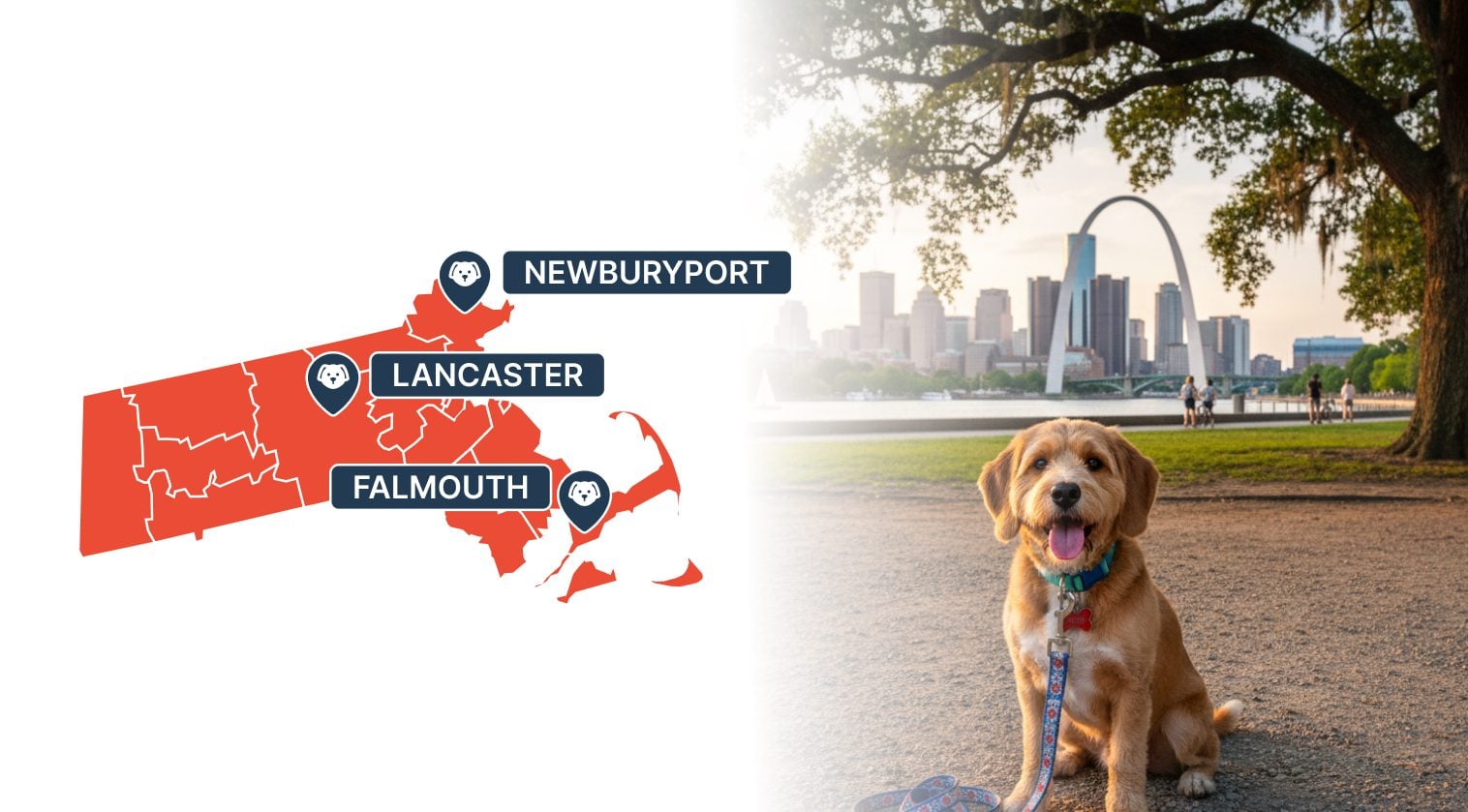
Below, we provide an overview of ESA laws in the most popular cities in Massachusetts; to find out more, including how to get a legally valid ESA letter in these cities, click on the linked heading for the city you’re curious about.
ESA Laws in Boston
A town that requires no real introduction, Boston is the largest city in Massachusetts by far, with a population of over 600,000 people. The city has no additional laws concerning emotional support animals, though it has hundreds of pet-friendly hotels, restaurants, and parks throughout the city.
ESA Laws in Worcester
Worcester is the second most populous city in Massachusetts, with a population of just over 200,000, and offers no additional laws surrounding emotional support animals. The city does offer a limited selection of dog parks, such as Vernon Hill or Quinsigamond State Park, though ESA owners may have difficulty finding pet-friendly areas for non-canine ESAs.
ESA Laws in Springfield
Like the rest of the cities listed, Springfield does not offer additional ESA legal accommodations. As far as their businesses and services, there are a number of pet-friendly restaurants, such as Antonio’s Grinders or Bueno Y Sano, and a dozen hotels that accommodate ESAs. For those travelling through the area, you will be able to bring your ESA to several places in the city.
ESA Laws in Cambridge
For a city that is the fourth biggest in the state, Cambridge actually outperforms Springfield and Worcester for those looking for places they can bring their emotional support animal. There are over fifty restaurants, from classic American-style restaurants like Charlie’s Kitchen, to Legal Sea Foods that takes advantage of the city’s proximity to the Charles River.
ESA Laws in Lowell
The final and fifth-largest city in Massachusetts, Lowell, has a considerable population of 120,000 and no additional ESA laws. What it does offer is a number of activities that offer pet accommodations, such as Lowell Heritage State Park and great breweries like Merrimack Ales and Navigation Brewing Company.
ESAs vs Psychiatric Service Dogs in Massachusetts
Psychiatric service dogs are dogs that have been trained to help with specific psychiatric disabilities, such as anxiety, depression, PTSD, OCD, or bipolar disorder. They differ from other types of service dogs in that they are trained to provide calming support, interrupt negative behaviors, and check around rooms and corners for their owner.
In Massachusetts, state law backs up the protections put in place for service dogs by the Americans with Disabilities Act. These protections allow individuals with psychiatric service dogs to access facilities such as restaurants, malls, and stores with their service animal, regardless of what the facility’s pet policy may be.
Emotional support animals are not trained in specific tasks, nor are there as many limitations on the types of animals that qualify; dogs, cats, birds, and even miniature horses can qualify as emotional support animals. In Massachusetts, as with other states, the Fair Housing Act covers the legal definitions of emotional support animals.
How to Get a Psychiatric Service Dog in Massachusetts
Tasks that Psychiatric service dogs complete include retrieving medication and water for their owner, guiding their owner to a safe space, calming down their owner, interrupting negative behaviors, and providing a ground presence during the onset of nightmares or flashbacks.
To get a psychiatric service dog, you must have a diagnosed disability from an LMHP prior to requesting a canine with specialized training. If you are traveling by air, a LMHP can issue a letter recommending your need for a psychiatric service dog to present to the airline. In general, you do not need a letter for a PSD but you can be questioned as if you have a disability and what tasks your dog performs. The general public tends to believe that a letter confirming your dog is a PSD is a requirement. Many people acquire PSD letters to dismiss claims of illegitimacy, even though there is no legal requirement. You can train your dog for psychiatric service using our psychiatric service training, or pay for a trained canine from an organization.

FAQs About Massachusetts Emotional Support Animal Laws
The following section will seek to answer the common questions that are often overlooked when people discuss emotional support animal laws in Massachusetts. For those with questions about service dogs, psychiatric service dogs, or which breeds excel at a position, look through the extensive collection of articles throughout our blog.
Does Massachusetts Recognize Emotional Support Animals?
Yes, Massachusetts recognizes emotional support animals and protects them under the Fair Housing Act. They are not given the same privileges that a service dog or psychiatric service dog has, but owners of an ESA can still live with their animal without having to pay pet deposits or fees.
Who Can Write an ESA Letter in Massachusetts?
A licensed mental health professional can write an ESA letter to an individual who has been diagnosed as benefiting from an animal companion. Out-of-state LMHPs with an existing relationship with their client can issue an ESA letter in Massachusetts, which differs from several other states.
Are Online Consultations for ESA Letters Legal In Massachusetts?
Yes, they are technically legal in Massachusetts. That being said, Massachusetts is very skeptical of people who have one online interview and then buy an ESA letter online. Because of this, it is recommended that you have an ongoing relationship with the LMHP or, at the very least, get accurately diagnosed for a condition that could benefit from an emotional support animal.
Can a Landlord Deny an ESA Letter in Massachusetts?
Not unless they can meet very specific criteria, which include the following:
- The animal would cause undue financial hardship.
- If the animal alters the housing provider’s service.
- If the animal threatens the safety of other residents or the landlord itself.
- If the landlord owns four or fewer units.
Outside of these, the landlord must allow the emotional support animal into the living unit if the tenant provides a legitimate ESA letter.
Can A Landlord Charge a Pet Deposit for an Emotional Support Animal In Massachusetts?
No, a landlord is not legally allowed to charge a pet deposit or a monthly fee for emotional support animals. Under the Fair Housing Act, emotional support animals are not classified as pets, which allows them to live with you without qualifying for any additional costs.
Can I Bring My ESA to Work in Massachusetts?
There is no legal requirement for an employer to make accommodations for an employee with an emotional support animal, though many may do so if it does not interrupt work productivity. Unless you work in a job that would cause health issues with the addition of an animal (restaurants, for instance), then your employer may work with you.