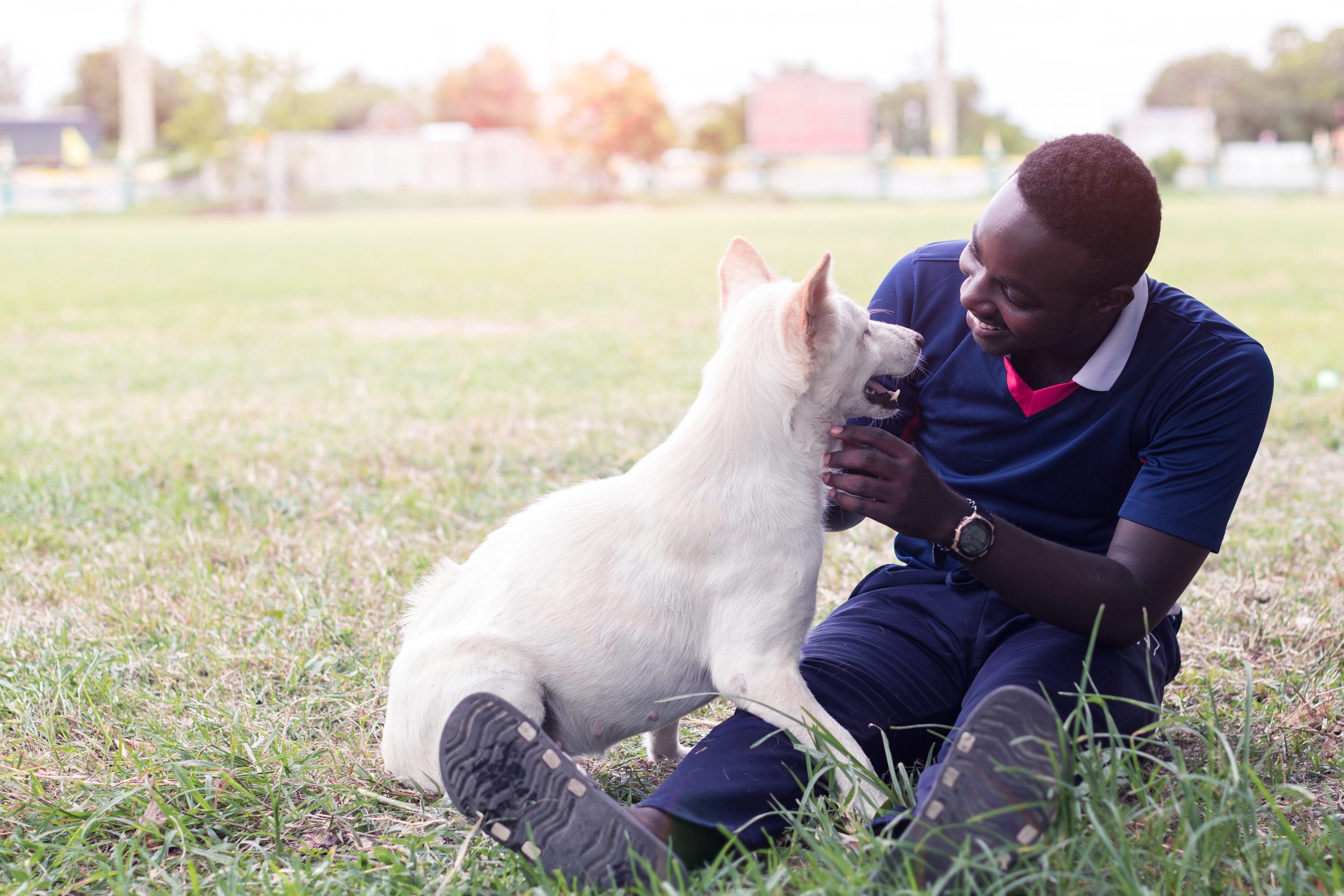
An increasing number of individuals managing depression, anxiety, and post-traumatic stress disorder are turning to emotional support dogs to help alleviate their conditions. Unlike traditional pets, these dogs have a defined therapeutic purpose, which is to provide stability, comfort, and emotional grounding through companionship.
With this increase in awareness, it’s no surprise that a growing number of people are keen on identifying the best emotional support dog breed out there. While it goes without saying that there is no single breed that is right for everyone, certain dogs are more naturally suited to emotional support roles due to their innate temperament and sensitivity to human emotions.
Understanding what an emotional support dog is and how it differs from a service dog is essential for making an informed choice. For a clear explanation of these distinctions and the role emotional support dogs play in mental health, see our guide on emotional support dogs.
Choosing the right emotional support dog, however, is not a matter of popularity or aesthetics. It is a deeply personal decision that sits at the intersection of mental health needs, lifestyle, and animal temperament.
This guide explores what emotional support dogs are, how they differ from service dogs, and which breeds tend to excel in this role, while also emphasizing that the “best” dog is ultimately the one that fits your life and emotional needs most closely.
What Is an Emotional Support Dog?
An emotional support dog is essentially a companion animal that provides comfort and stability to an individual who experiences any sort of mental or emotional disability. These dogs differ from service dogs, which are trained to perform a specific set of tasks directly related to a disability.
An emotional support dog’s value lies in its presence: the calming effect of companionship, physical closeness, and nonjudgmental affection. Within the broader mental health landscape, they are often part of a multi-layered approach to care. They may complement therapy, medication, or other coping strategies.
Research consistently shows that interaction with animals can reduce stress hormones, lower blood pressure, and improve mood, benefits that are particularly meaningful for individuals managing anxiety, depression, PTSD, or chronic stress.
It is noteworthy to distinguish emotional support dogs and service dogs, which are protected under different laws and trained to perform specific tasks related to disabilities.
Understanding Emotional Support Dogs: Legal and Practical Realities
From a legal standpoint, an emotional support dog is recognized based on documentation, not training. A licensed mental health professional, such as a psychologist, psychiatrist, or licensed therapist, must determine that a person has a qualifying mental or emotional condition and that an emotional support animal alleviates symptoms of that condition. This determination is formalized through an ESA letter.
Practically speaking, emotional support dogs function like well-behaved pets in daily life. They accompany their owners at home, provide companionship during moments of distress, and often help establish routines that support mental stability. They are not granted unrestricted public access in the way service dogs are, but they do have important housing protections under federal law.
The role of a licensed professional is central. An ESA letter ensures legitimacy, protects the individual’s rights, and helps prevent misuse of emotional support animal designations, an issue that has become increasingly common in recent years.
Why Emotional Support Dog Breed Matters, and Why It Sometimes Doesn’t
When people search for the “best emotional support dog breeds,” they are often looking for certainty: a guarantee that a particular breed will meet their emotional needs. Breed characteristics do matter. Energy level, size, grooming requirements, and typical temperament all influence how well a dog fits into a person’s life.
A highly energetic working breed may exacerbate anxiety for someone seeking calm companionship, while a very small or fragile dog may not suit a household with children. Grooming needs can also affect stress levels, particularly for individuals with limited energy or mobility.
At the same time, temperament varies widely within breeds, and mixed-breed dogs often make exceptional emotional support animals. Traits such as gentleness, attentiveness, adaptability, and affection matter far more than pedigree. In many cases, the individual dog’s personality is a better predictor of success than its breed label.
The Best Emotional Support Dog Breeds
While no list can be universal, the following breeds are frequently recommended for emotional support due to their temperament, adaptability, and history as companion animals. This list reflects a range of sizes and lifestyles.
1. Labrador Retriever
Labradors are well known for their steady temperament, intelligence, and eagerness to bond with humans. They are emotionally intuitive and often respond well to changes in their owner’s mood. These dogs are the best choice for individuals who enjoy moderate daily activity and want a sociable, affectionate companion.
2. Golden Retriever
Gentle, patient, and deeply people-oriented, Golden retrievers excel at providing emotional reassurance. Their calm demeanor makes them particularly well-suited for individuals with anxiety or PTSD.
3. Cavalier King Charles Spaniel
Small, affectionate, and highly attuned to human emotions, cavaliers thrive on closeness. They are ideal for apartment living and for individuals who benefit from physical proximity and a quieter presence.
4. Poodle (Toy, Miniature, or Standard)
Poodles are intelligent, adaptable, and often recommended for people with allergies due to their low-shedding coats. Their sensitivity and trainability make them excellent emotional companions across a variety of living situations.
5. French Bulldog
With their calm energy and affectionate nature, French bulldogs are well-suited to urban environments. They require relatively little exercise and form strong bonds with their owners.
6. German Shepherd
Highly loyal and emotionally perceptive, German shepherd can be excellent emotional support dogs for individuals who benefit from a sense of protection and structure. They are best suited for experienced owners who can meet their exercise and training needs.
7. Bichon Frise
Cheerful and gentle, Bichons often provide a mood-lifting presence. Their manageable size and friendly disposition make them a good fit for individuals seeking consistent companionship without high physical demands.
8. Mixed-Breed Dogs
Many of the most effective emotional support dogs are mixed breeds adopted from shelters. These dogs often display resilience, gratitude, and deep attachment to their owners, and temperament assessments can help identify strong matches.
Adoption vs. Purchasing: Making a Responsible Emotional Support Dog Choice
Deciding where to find an emotional support dog is as important as choosing a breed. Adoption offers several advantages, including the opportunity to provide a home to a dog in need and, often, access to adult dogs whose personalities are already well established.
Shelters and rescue organizations frequently perform temperament evaluations, which can be invaluable when matching a dog to specific emotional needs. Adult dogs may also be calmer and more predictable than puppies, which can be beneficial for individuals managing anxiety or depression.
Purchasing from a reputable breeder may be appropriate in some cases, particularly when specific size or allergy considerations are involved. In such situations, ethical breeding practices and transparency about health and temperament are essential.
Training, Behavior, and Daily Life for an Emotional Support Dog
While emotional support dogs do not require specialized task training, basic obedience and socialization are critical. A well-mannered dog reduces stress rather than adding to it. Training should focus on reliability, calm behavior, and positive reinforcement techniques.
Routine plays a powerful role in emotional well-being. Regular feeding times, daily walks, grooming, and play create structure that benefits both the dog and owner. This predictability can be grounding, particularly for individuals whose mental health challenges disrupt daily rhythms.
Common challenges, such as separation anxiety or house-training difficulties, are a part of training and should not be viewed as failures. They are signals that adjustments are needed, whether through training support, environmental changes, or professional guidance.
Legal and Ethical Considerations for Emotional Support Dogs
Emotional support dogs are primarily protected under housing laws, which allow individuals with valid ESA documentation to live with their support animal in housing that might otherwise prohibit pets. They do not, however, have the same public access rights as service dogs, a distinction that is often misunderstood.
Misrepresentation of emotional support animals can create legal and ethical problems for individuals and undermine protections for those who genuinely need them. Working with licensed professionals and reputable organizations is essential.
For guidance on avoiding scams and understanding legitimate ESA documentation, our guide here has you covered.
Choosing With Care and Compassion: The Best Emotional Support Dogs
An emotional support dog is not a quick fix or a substitute for professional care. It is a relationship; one that requires time, patience, and mutual adaptation. When chosen thoughtfully, however, the right dog can offer stability during difficult moments and companionship that quietly reshapes daily life.
The most important question is not which breed is “best,” but which dog aligns with your emotional needs, living situation, and capacity for care. With informed decisions and ethical support, emotional support dogs can become trusted partners in the ongoing work of mental well-being.