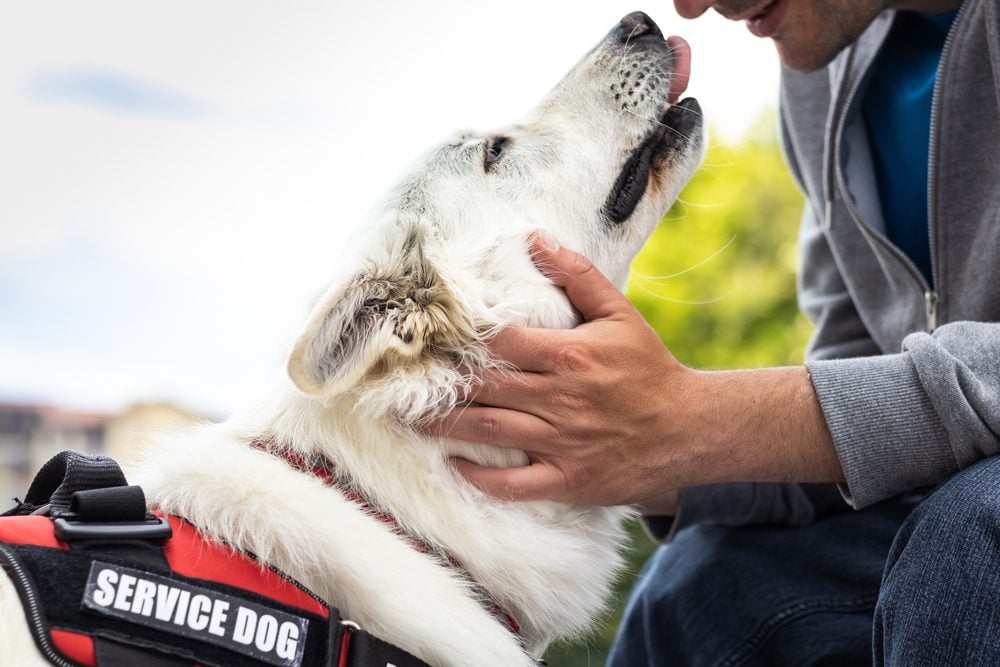
Psychiatric service dogs are invaluable in supporting individuals facing mental health challenges. These amazing dogs are more than just furry friends; they are specially trained to assist people with psychiatric conditions like depression, anxiety, and PTSD.
However, proper training is essential for these special dogs to assist those in need effectively.
This article explores the significance of proper training for these four-legged heroes, as it lays the foundation for their essential tasks and ensures they are reliable partners to their handlers. We’ll also discuss the requirements of an ideal service dog, the training process, the benefits of psychiatric service dogs, and the legal aspects.
Understanding Psychiatric Service Dogs
Here, we explain the definition and legal recognition of psychiatric service dogs. We’ll also dig into how they differentiate from emotional support animals.
Definition and Legal Recognition
Psychiatric service dogs are highly trained canines that perform specific tasks to ease the restrictions of psychiatric disabilities. These tasks relate to their handler’s condition and help them navigate daily life more independently and confidently.
Legally recognized under the Americans with Disabilities Act (ADA), these service dogs have certain privileges. This allows them to accompany their handlers to public places where pets are typically not allowed. These places include facilities like stores, restaurants, parks, and workplaces.
Legal recognition ensures that people with psychiatric disabilities have equal access and support in all areas of life. They can’t be denied access just because there’s a no-pet policy. Psychiatric service dogs are allowed to accompany their handlers so that they have access to their dogs in case they need assistance.
Differences Between Psychiatric Service Dogs and Emotional Support Dogs
While both psychiatric service dogs and emotional support dogs provide comfort, there are crucial distinctions between the two.
Psychiatric service dogs undergo rigorous training to perform specific tasks that directly assist their handlers. Emotional support dogs offer comfort through their presence alone, without specialized training.
Psychiatric service dogs are granted public access rights under the ADA, while emotional support animals, or ESAs, are protected under different laws. The law that offers the most for ESAs is the Fair Housing Act (FHA), which grants them the right to live with their handlers for free in housing with pet restrictions.
Qualifying Disabilities for a Psychiatric Service Dog
Here are some of the key psychiatric conditions that psychiatric service dogs can assist with:
- Depression: For individuals struggling with depression, psychiatric service dogs offer invaluable emotional support and motivation. They encourage their handlers to engage in daily activities, such as walking or playing, to help improve mood and overall well-being.
- Anxiety Disorders: Psychiatric service dogs play a vital role in assisting individuals with anxiety disorders. These dogs recognize signs of anxiety and provide grounding techniques to help their handlers feel more secure and calm.
- Post-Traumatic Stress Disorder: These dogs are trained to perform tasks like waking their handlers from nightmares, creating physical barriers in crowded places, and performing room searches to ensure safety.
- Bipolar Disorder: People with bipolar disorder experience intense mood swings, from depressive lows to manic highs. Psychiatric service dogs recognize these mood shifts and provide grounding and calming techniques during episodes.
- Obsessive-Compulsive Disorder (OCD): Psychiatric service dogs assist individuals with OCD by interrupting obsessive behaviors and compulsions. They can be trained to recognize specific repetitive actions and redirect their handlers’ focus to more positive activities.
- Schizophrenia: For individuals with schizophrenia, psychiatric service dogs help with tasks such as medication reminders, providing a sense of reality during hallucinations, and offering comfort. These dogs help improve daily functioning and reduce feelings of isolation.
These are only a handful of the mental disabilities that a psychiatric service dog can help with. A psychiatric service dog can assist anyone with a condition that’s referenced under the Diagnostic and Statistical Manual of Mental Disorders (DSM).
What Are Psychiatric Service Dogs Trained to Do?
Psychiatric service dogs are trained to perform essential tasks that directly assist their handlers in managing their mental health conditions. Some of these include:
Deep Pressure Therapy
One of the fundamental tasks of psychiatric service dogs is deep pressure therapy. During anxiety or distress, these dogs apply gentle pressure by leaning or lying on their handler’s body. This pressure has a calming effect and helps reduce anxiety and panic.
Interrupting Destructive Behaviors
Psychiatric service dogs are trained to interrupt self-harm or destructive behaviors. They include using physical nudging, pawing, or other non-harmful means to divert their handler’s attention and prevent them from engaging in harmful behaviors.
Nudging and Pacing to Reduce Anxiety
During heightened anxiety, psychiatric service dogs use gentle nudging to redirect their handler’s focus. This nudging distracts and helps break the cycle of anxious thoughts. Some dogs are trained to walk back and forth in a calming manner, a behavior known as “pacing,” which further reduces anxiety.
Providing a Physical Barrier in Crowded Spaces
Individuals with psychiatric conditions like PTSD may feel overwhelmed in crowded or busy environments. Psychiatric service dogs create a physical barrier around their handlers, offering a buffer zone to reduce intrusion and anxiety.
Room Searches and Safety Checks
Psychiatric service dogs can be trained to perform room searches and safety checks to help individuals with PTSD or paranoia. The dog searches and indicates if there are any potential threats, providing a sense of security to the handler.
Waking From Nightmares and Night Terrors
Psychiatric service dogs can wake their handlers from nightmares or night terrors, which is especially beneficial for individuals with PTSD and sleep disorders. The dog’s presence and assistance help the handler transition back to calm and safety.
Guiding the Handler to a Safe Place
Psychiatric service dogs guide their handlers to a safe and familiar place during distress or disorientation. This task is particularly important for individuals who may experience episodes of confusion or dissociation.
If you’re interested in other ways that psychiatric service dogs can help their handlers, learn more about psychiatric service dog tasks. Take note that the training of these dogs can be tailored to assist in different ways, specific to the handler’s condition. Psychiatric service dog trainers can adjust training accordingly to meet the handler’s individual needs.
How to Train a Psychiatric Service Dog
Psychiatric service dog training is one of the most intricate types of service animal training because these dogs typically need to recognize changes in the behavior of the handler and respond in specific ways.
However, before training comes to this, the dog must be exceptionally well-trained for obedience. They must master commands like sit, stay, come, heel, and remain calm in public settings, no matter what’s going on around them. These also help with impulse control, which is an essential part of PSD dog training to ensure the dog stays on task.
When it comes to training a dog for actual psychiatric service dog work, the dog must receive task-specific training aimed at mitigating the symptoms of a mental disability. As mentioned above, there’s a wide range of psychiatric service dog responsibilities.
Depending on the task the dog needs to carry out to benefit the handler, psychiatric service dog trainers take the most appropriate training approach. All these, including obedience training, socialization, and reinforcing behaviors, take anywhere from several months to up to a year. Because of the intense training involved, psychiatric service dogs are among the most expensive working dogs. A fully trained psychiatric service dog typically costs between $10,000 and $30,000.
How to Find Psychiatric Service Dog Training Near Me
Finding reputable psychiatric service dog training near you can be difficult, especially as many in-demand trainers have extensive waitlists or may only work with specific clients, like veterans. While it’s always worthwhile to reach out to local trainers, for many people (especially those who live in areas with limited service dog trainers nearby), using an online course run by certified trainers, like US Service Animal’s PSD course, can be a much simpler solution.
This allows anyone, no matter where they live, access to courses created by experienced service dog training pros (who are also available to assist you if you have any questions or run into any issues); it also allows you to have a fully trained service dog in as little as a few months, versus the multi-year wait common with many in-person trainers or organizations.
Can You Train Your Own Psychiatric Service Dog?
The Americans with Disabilities Act doesn’t require handlers to have a psychiatric service dog that’s trained professionally. Anyone can legally train their own psychiatric service dog to perform disability-related tasks. What matters is the dog being able to carry out the disability-related task and keeping a calm, well-behaved attitude in public.
Psychiatric Service Dog Training Online
For those who want to train their own psychiatric service dogs, online training is the most effective resource. This can be done by following video lessons, reading guidelines, and booking one-on-one sessions with a professional psychiatric service dog trainer. However, given what’s at stake here, the handler’s well-being, those who are interested in training their own PSDs should be ready to invest what’s required.
Self-trainers must thoroughly research the specific tasks required for their psychiatric condition and personal needs and understand the principles of positive reinforcement training. Training a psychiatric service dog also requires consistent and dedicated effort. Handlers must be prepared to invest significant time training, socializing, and practicing commands with the dog in training.
If you’re ready to commit yourself to training your own psychiatric service dog, complete our PSD consultation form to learn more.
Buying Instead of Training a Psychiatric Service Dog
A quick psychiatric service dog training search will present you with many options for this type of dog training. Given that psychiatric service dogs are becoming more and more popular, many dog training companies are working closely with families to train a psychiatric service dog tailored to their needs.
However, as mentioned above, psychiatric service dogs are among the costliest. It is essential for those who plan on preparing to buy a psychiatric service dog to budget accordingly; training psychiatric service dog costs, even when high, are almost always far lower than the costs for outright purchasing a fully trained dog.
Professional psychiatric service dog trainers have the expertise to tailor the training process to the handler’s needs and address possible challenges. This is considered the best option for psychiatric service dog training because of its benefits. These include, but are not limited to:
- Customized Training: A professional trainer assesses the handler’s needs and develops a training plan addressing their specific psychiatric condition.
- Training Efficiency: Professional trainers are skilled in using effective techniques, potentially accelerating the training process and achieving consistent results.
- Problem-Solving: If any behavioral issues arise during training, a professional trainer provides solutions and support to overcome them.
While these sound great, not everybody can cover the cost of a fully trained PSD. If you don’t have the financial means to buy an already trained dog or work with a psychiatric service dog trainer, and training a psychiatric service dog yourself isn’t an option for your lifestyle, look into nonprofits that can help. There are various organizations that are working to provide a steady supply of these assistance animals to those who are in need, though there may be a long waiting list.
How to Tell if Psychiatric Dog Training Is Done Correctly
To ensure training goes smoothly and the dog can carry out disability-related tasks to benefit the handler, trainers can observe the dog’s behavior and overall training to assess where the dog is with psychiatric service dog training.
In addition to executing psychiatric disability-related tasks flawlessly, here’s what to pay attention to tell if the psychiatric service dog training is being done correctly.
- Recall: The dog should come when the handler calls, even when distracted or at a distance. In addition to normal recall, this may be demonstrated with a recall command following a leash drop.
- No Solicitation: The dog should not seek attention, food, or interaction from strangers without the handler’s permission.
- Ignoring Distractions: The dog should remain calm and focused on the handler despite distractions such as loud noises, other animals, or unexpected events.
- Attention: The dog’s attention should be mainly on the handler rather than their surroundings. The dog should constantly check in on the owner to look for cues.
- Public Behavior: The dog should exhibit appropriate behavior in public spaces, including remaining quiet, not jumping on people, and not causing disruptions.
- Waiting in Line: The dog should patiently wait with the handler in line without becoming anxious or agitated.
- Entering and Exiting Buildings: The dog should walk calmly through doorways, not pulling or hesitating.

Psychiatric Service Dog Training Essentials
Psychiatric service dog training is a life-changing journey for individuals facing mental health challenges, empowering them to lead more independent and fulfilling lives.
Whether you self-train or hire a professional psychiatric service dog trainer, the goal remains to develop a supportive partnership between the handler and their dog. Proper training is the cornerstone of a successful service dog partnership. It lays the foundation for the essential tasks performed by psychiatric service dogs and ensures they are trusted companions in various public settings.
With a well-trained psychiatric service dog by your or your loved ones’ side, you will see how much of an improvement happens. A psychiatric service dog can help those who are struggling with a mental disability lead independent lives and increase their quality of life significantly.