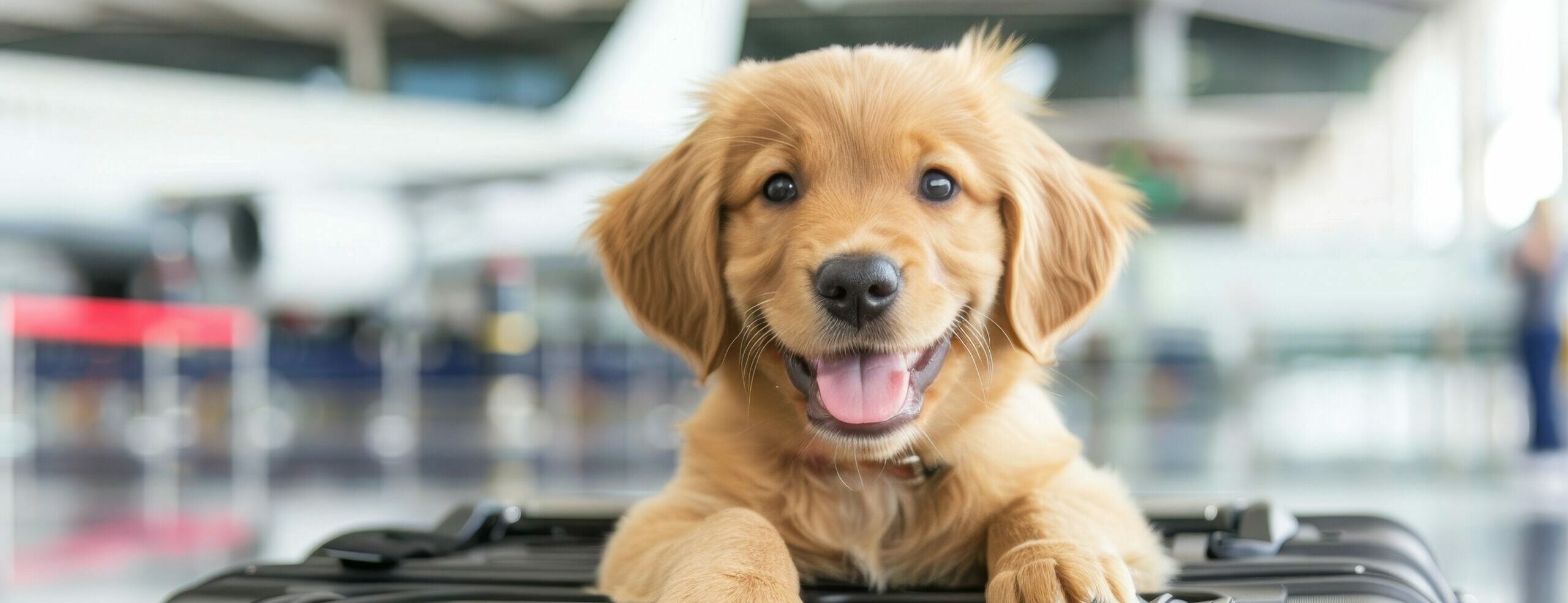
For many years, emotional support animals were commonly allowed on flights, and ESA owners frequently traveled with their companion animals in the cabin. However, major rule changes by the United States Department of Transportation dramatically altered what airlines are required to allow.
Today, travelers often wonder which airlines allow emotional support animals and whether any carriers still recognize ESAs for air travel. Confusion is understandable, especially with outdated online information, old viral stories, and shifting airline policies.
This article explains exactly which airlines allow emotional support animals, what the law says today, how service dog rules differ, and what travelers with ESAs can expect when planning a flight. Whether you are preparing for a trip or trying to understand your rights, this guide gives you a complete and updated picture of ESA air travel policies.
Which Airlines Allow Emotional Support Animals Today?
The short answer is that no major United States airline currently recognizes emotional support animals as a special category. After the Department of Transportation updated the Air Carrier Access Act regulations in 2021, airlines were no longer required to accommodate emotional support animals. As a result, every major U.S. airline revised its policy and discontinued ESA recognition.
Travelers researching which airlines allow emotional support animals often discover conflicting information because some websites have not updated their content. However, the current policy across all U.S. airlines is the same. ESAs are now treated as pets. If you want to bring an ESA on the plane, it must follow the airline’s standard pet rules, fees, and carrier requirements.
Although this may feel disappointing for ESA owners, the law does still provide protections for service animals, which are distinct from ESAs and have broader travel rights.
Why Did Airlines Stop Accepting Emotional Support Animals?
There are several reasons why airlines no longer accept ESAs as a protected category.
DOT Rule Change
The Department of Transportation issued a final ruling that airlines are only required to accommodate trained service dogs. Emotional support animals are no longer recognized under federal air travel law.
Increase in Untrained or Disruptive Animals
Airlines reported rising issues involving animals that were not trained for public settings. These issues included noise, biting incidents, sanitation concerns, and safety risks.
Lack of Consistent Standards
Emotional support animals do not require specialized training, and inconsistent documentation practices led to misuse of ESA policies.
Cabin Safety
Flight attendants expressed concern about loose animals in the cabin, especially medium and large-sized ESA species.
After these policy changes, airlines shifted to a uniform rule: ESAs are pets, not service animals.
Can Any Airline Still Allow Emotional Support Animals by Choice?
Technically, airlines could choose to allow emotional support animals voluntarily, but none of the major U.S. carriers do. Smaller foreign airlines may choose to follow their own policies, but U.S. airlines are no longer required to treat ESAs as anything other than pets.
Some international airlines still allow certain species as ESAs depending on the destination country. However, these policies are limited, changing quickly, and often require extensive paperwork. Even when an international airline allows ESAs on outbound flights, returning to the United States usually follows U.S. rules, meaning the ESA would be treated as a pet on the return trip.
For most travelers, relying on ESA acceptance is not realistic when planning air travel.
Which Airlines Allow Pets in the Cabin?
Since emotional support animals are now treated as pets, many travelers choose to bring their ESA in the cabin if the pet meets airline requirements. While this does not provide ESA-specific legal protections, it does allow some animals to fly in the cabin if they meet weight and carrier guidelines.
Most major airlines allow small pets in the cabin, including:
- American Airlines
- Delta Airlines
- United Airlines
- Alaska Airlines
- Southwest Airlines
- JetBlue
- Frontier Airlines
- Spirit Airlines
These policies do not recognize ESA status, but they do allow dogs and cats, and in some cases rabbits or small household birds, depending on the airline. Fees usually apply.
Ducks, ferrets, reptiles, and exotic species are not allowed in cabins on U.S. flights under pet policies.
How Do Service Dog Policies Differ From ESA Policies?
Travelers often confuse service animals with emotional support animals, but the differences are legally significant.
Service Animals
- Must be dogs
- Must be trained to perform tasks for a disability
- Have public access rights
- Are protected under ADA and ACAA
- Are allowed in aircraft cabins free of charge
- Require DOT service animal forms
- Must behave safely and under control
Emotional Support Animals
- Provide comfort through companionship
- Do not require specialized training
- Are not a protected category under airline law
- Are treated as pets
- Must follow pet carrier rules and pet fees
Because of these differences, travelers with an ESA cannot claim service animal status unless the animal is a trained service dog performing disability related tasks.
Traveling With an Emotional Support Duck, Rabbit, or Bird
Many ESA owners have nontraditional animals, such as ducks, birds, rabbits, or pigs. Since airlines no longer accept ESAs as a special category, the ability to bring these species depends entirely on pet policies.
Most U.S. airlines do not allow birds larger than parrots, and they never allow ducks, poultry, reptiles, or rodents in cabins. Even when carriers do allow small birds, strict rules apply for carriers, identification, and health requirements.
Travelers must review each airline’s current pet policy before booking. What matters now is species and size, not ESA status.
Do ESA Letters Help With Airline Travel?
No. ESA letters do not provide any special rights for air travel. They are not recognized by airlines and cannot be used to bypass pet fees or size restrictions.
ESA letters are still valid for housing under the Fair Housing Act, but they have no legal standing during air travel.
Service dog documentation is the only type recognized by airlines, and this applies only to trained service dogs.
What Are the Options for ESA Owners Who Need to Travel?
Even though airlines do not accept ESAs as a special category, ESA owners still have several travel options depending on the animal.
Option 1: Bring the ESA as a pet
If the animal is small enough and allowed under the airline’s pet policy, the traveler can bring the ESA in the cabin. Pet fees apply. The ESA must remain in an airline-approved carrier.
Option 2: Ship the Animal Through Cargo
Some airlines allow certain animals to travel in the cargo hold. This option is available only for specific species and can be stressful for the animal.
Option 3: Travel by Car
For larger ESAs or species not permitted on flights, traveling by car may be the safest and most practical option.
Option 4: Board the Animal
Some ESA owners choose to board their animal with a trusted caregiver or professional boarding service for the duration of their trip.
Why Service Dogs Are Still Allowed on Flights
Service dogs remain protected under the Air Carrier Access Act. Airlines must accommodate them because they are trained to perform tasks that directly mitigate a disability. This level of training makes them safe and manageable in busy environments like airports and aircraft cabins.
Airlines may require travelers to submit DOT service animal forms and verify that the dog is trained, healthy, and capable of appropriate behavior in public settings.
Handlers must maintain control of their service dogs at all times, and the dog must not bark excessively, cause disruptions, or relieve itself inside the cabin except under emergency or controlled circumstances.
If No Airlines Allow Emotional Support Animals, Why Do Some People Still Ask?
There are three common reasons why travelers still search for which airlines allow emotional support animals.
Outdated Information
Many websites have old articles that still claim ESAs are permitted. These were written before the 2021 rule change.
Viral Stories
High-profile news stories from before the rule change still circulate online, causing confusion.
Misunderstanding of the Law
Some travelers think that having a legitimate ESA letter gives them air travel rights, but ESA laws apply only to housing, not public transportation.
Which Airlines Allow Emotional Support Animals for International Routes?
Some non-U.S. airlines occasionally allow ESAs depending on the country’s laws. Policies change often, but examples have included:
- Volaris (Mexico)
- Avianca (Latin America)
- Emirates (limited ESA policies toward the UAE)
Even when foreign carriers allow ESAs, the return flight into the United States will follow U.S. DOT rules. That means the ESA will be treated as a pet.
Because of this inconsistency, travelers should contact the airline directly and avoid assuming ESA acceptance.
Final Thoughts: Which Airlines Allow Emotional Support Animals?
Today, no major U.S. airline allows emotional support animals as a protected category. ESA owners must follow standard pet policies when traveling, and only trained service dogs have guaranteed access rights under the law. Understanding the difference between ESAs, psychiatric service dogs, and fully trained service animals can help travelers choose the best accommodation for their needs.