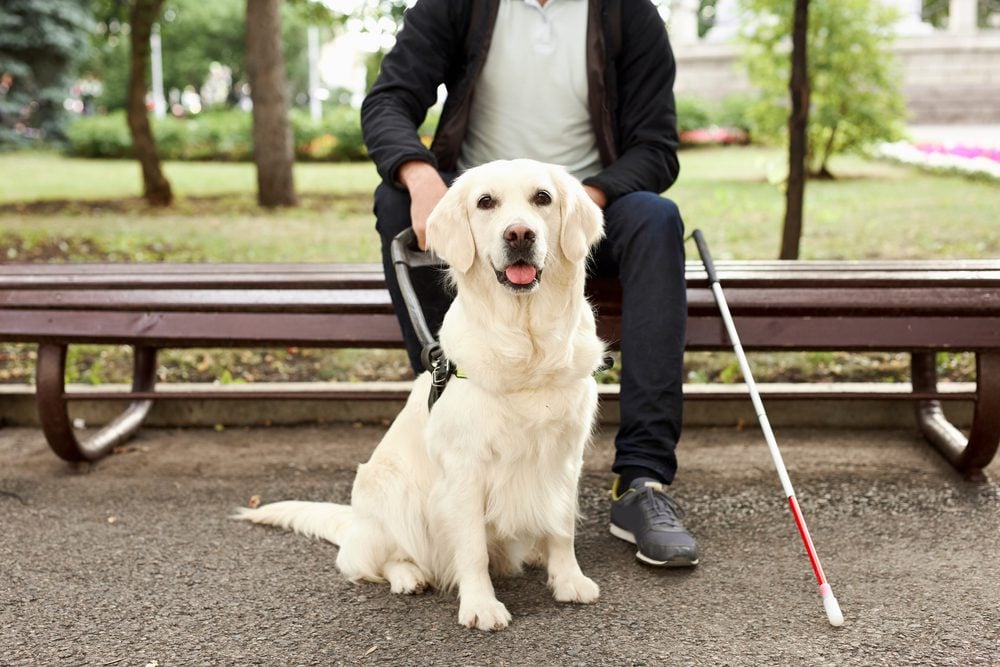

Animals can add a lot to our lives, and service animals are some of the best examples of that. These specially trained furry friends of ours do work and perform specific tasks for individuals dealing with disabilities or certain mental health conditions that impact their daily lives. Both federal and state laws are in place to protect the rights of service animals and their owners, and it’s important to understand these laws and how they might apply to you.
Our guide tells you more about service animal laws in Pennsylvania in addition to essential considerations for public access and housing laws in the state. Read on to learn more about these service dog rules.
What Are Service Animals?
Service animals are animals, typically dogs, that have been trained to perform specific work or tasks that help an individual with a disability. These tasks are usually essential for their owners in helping them go about their daily business with ease, and there are numerous different tasks that service animals can be taught, depending on their owner’s specific needs and disability.
The most common skills and tasks that service animals perform for their owners include guiding the visually impaired, retrieving items for their owners, opening and closing doors, providing a buffer between their owner and others in public, and fetching help when needed. Of course, your service dog can learn many more tasks to help you with your specific daily needs.
What Animals Can Be Considered Service Animals?
Under the Americans with Disabilities Act (ADA), the only animals that are legally recognized as service animals are trained dogs. The breed, size, and age of the dog don’t matter, as long as they are trained to perform work for their owner that is directly related to the owner’s disability. In some very specific cases, the ADA may also allow miniature horses to act as service animals.
Pennsylvania state law only recognizes trained dogs as service animals, and these are the only animals that are granted additional state protections in addition to federal protections.
Service Dog Laws in Pennsylvania
In Pennsylvania, the state has the Pennsylvania Human Relations Act (PHRA) which upholds all of the federal protections granted to service animals and their owners by the ADA. This act further defines service animal access laws within the state and designates fines or other legal punishments in cases of discrimination against individuals with service animals.
Below, we give you an overview of these essential service dog rights in Pennsylvania.
Public Access Protections
Under the PHRA and the ADA, public access protections include a wide range of establishments. Any business, restaurant, or other public space must accommodate an individual who needs a service dog, even if that space doesn’t typically allow animals inside. Examples of public spaces covered by these state and federal protections include:
- Restaurants
- Hotels and motels
- Retail stores and other commercial establishments
- Gyms
- Zoos, parks, and recreational spaces
- Public transportation
- Schools
- Museums and libraries
In general, individuals who need to be accompanied by their service dog in public have the right to take them anywhere it doesn’t cause a significant impact to the service being provided. For example, some religious organizations are exempted from providing public access protections, and you could not take a service dog into something like a sterile operating room because of the health risks it presents.
Employment Protections
Any individual with a service animal who wishes to bring their animal to work with them in Pennsylvania is protected by the ADA and the PHRA. Employers must make accommodations available to individuals who require service animals, and they are not allowed to discriminate or fire an employee based on their need to utilize a service animal while in the workplace.
In order to request your service animal accommodations, you must speak to the proper department at your workplace; this is usually HR. Inform them of your need for accommodations and follow the federal accommodations request process to ensure you can take your service dog to work without any issues.
Keep in mind that your employer is not allowed to ask for specifics on your condition or demonstrations of your service dog’s work. The only circumstance in which your dog might be denied is if the accommodations request is unreasonable or if your service animal is dangerous or destructive.
Housing Protections
The Fair Housing Act (FHA) is similar to the ADA in that it prevents landlords from discriminating against disabled people when they are buying, selling, renting, leasing, or subletting one of their properties. Pennsylvania’s Administrative Code also upholds these protections.
Under these protections, an individual who needs to have their service animal living with them is not allowed to be discriminated against. Owners with service animals are not required to pay pet fees, extra pet deposits, or pet rent; they are also not required to adhere to breed or pet restrictions.
That being said, if your service dog destroys part of your housing, you may be liable for the damages. Destructive and dangerous or aggressive service dogs could also be denied accommodations in certain circumstances.
Do I Need to Register My Service Animal in Pennsylvania?
You are not required to register your service animal, as neither the ADA nor the PHRA requires an official registration document, paperwork, or training course for your dog to be legally considered a service animal. However, many individuals choose to identify their service dog with harnesses and ID cards along with registration in a national database to make accessing public spaces and taking advantage of their protected rights less stressful.
Whether or not you register your service animal in Pennsylvania is a personal choice, and you should choose the best for your specific situation.
Do Service Dog Rules Include Emotional Support Animals?
Service dog rules and laws in Pennsylvania do not include emotional support animals (ESA). Emotional support animals are a completely different type of companion animal, and these animals are not trained in any way to help an individual with their disability. The benefits of ESAs come from their presence, comfort, and companionship that they provide individuals, all of which can help relieve the symptoms of certain mental health conditions and disabilities.
Emotional support animals can be any type of animal, and the only federal and Pennsylvania state protection they have is the right to fair housing. The FHA covers this, and Pennsylvania state law upholds this protection for ESAs and their owners.
How Do I Get an Emotional Support Animal in Pennsylvania?
If you don’t need a service dog to complete tasks for you daily, but you think you would still benefit from a companion animal, an emotional support animal is the perfect choice. The first step to adding an ESA into your life is to speak to a licensedmental healthcare provider licensed in Pennsylvania. Your provider can evaluate your condition and approve or deny your emotional support animal request.
Once you have been approved for an ESA, your provider will write you an ESA letter that allows your companion animal to be protected under state and federal laws. You can show this letter to landlords when moving into housing to ensure that you can live with your emotional support animal despite any pet or breed restrictions that may be in place; you will not be required to pay pet rent or additional fees with a valid ESA.
Pennsylvania Service Animal Laws – Know Your Rights
When you have a service animal or an emotional support animal in Pennsylvania, it’s important to understand your rights. These rights outline your public access and accommodation protections, things that ensure your ability to take your service animal with you anywhere in the state and to live alongside your service animal or ESA. If you have any questions about your rights, reach out to a legal aid center in Pennsylvania for more situation-specific guidance.