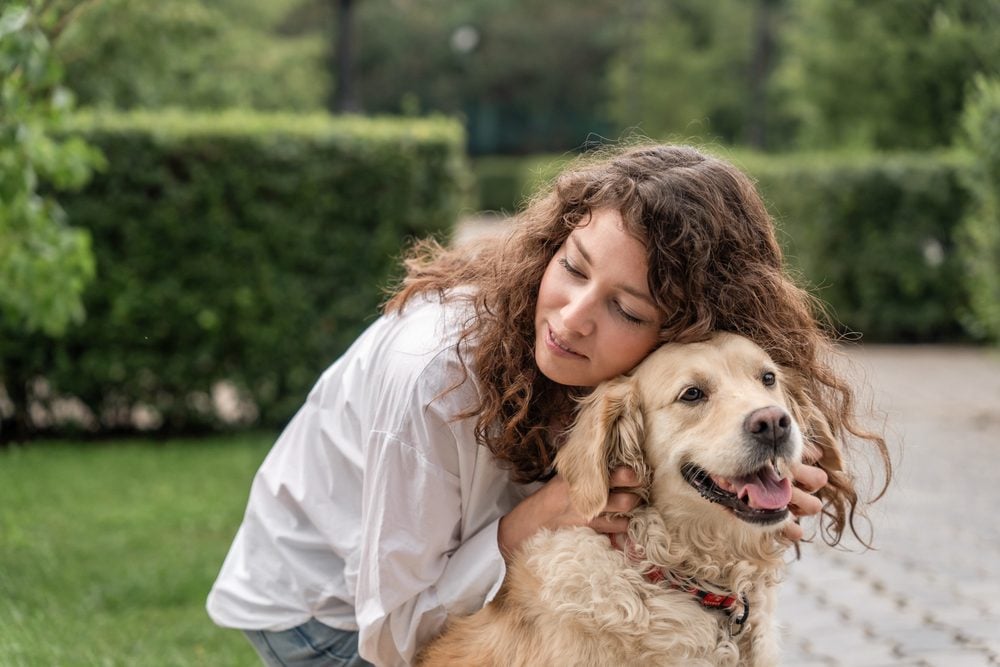
Psychiatric service dogs (PSDs) have become essential companions for people living with mental health conditions such as anxiety disorders, depression, PTSD, and bipolar disorder. Unlike emotional support animals (ESAs), which provide comfort through companionship, psychiatric service dogs are trained to perform specific tasks that mitigate their handler’s disability.
These dogs can sense emotional distress before it escalates, retrieve medication, interrupt panic attacks, or guide their handler to a safe place. For individuals managing mental health challenges, having the right breed is critical. That’s because temperament, intelligence, and sensitivity all play vital roles in how effective a service dog can be.
This guide explores good psychiatric service dog breeds, the traits that make them successful, and how to find and train the right one for your needs.
Common Traits of the Best Psychiatric Service Dog Breeds
Not every dog is suited for the demands of service work. The best psychiatric service dog breeds share several key characteristics that allow them to stay calm and dependable under pressure.
Calm and Confident Demeanor
A PSD must remain calm in public, ignoring distractions to stay focused on its handler. This steady temperament is essential for performing tasks reliably during moments of high anxiety or sensory overload.
Strong Handler Bond
A deep connection with their handler is the foundation of a PSD’s work. These dogs are naturally attentive to their person’s emotional and physiological cues, allowing them to perform tasks proactively, such as sensing an oncoming panic attack.
High Intelligence and Trainability
Intelligence and a willingness to learn are crucial for a PSD. They must learn complex tasks, and high trainability ensures they can perform these duties reliably under various circumstances.
Low Prey Drive and Reactivity
A service dog must ignore distractions like other animals or loud noises. A low prey drive and minimal reactivity are non-negotiable for public access, ensuring the safety of the handler, the public, and the dog itself.
These fundamental traits are the building blocks of a successful and reliable psychiatric service dog. However, it’s crucial to note that training must always be based on positive reinforcement; never punishment or dominance. To understand more about how this process works, read our guide on how to train a psychiatric service dog.
Best Psychiatric Service Dog Breeds
While any dog with the right temperament can be a PSD, the following breeds are consistently successful in service roles due to their predictable traits and long history of working alongside people.
Labrador Retriever
The Labrador retriever has an easygoing personality that makes it one of the most trusted service breeds in the world. Labs are intelligent, sociable, and eager to learn, which allows them to pick up complex psychiatric tasks quickly.
Their steady nature helps them remain composed during stressful moments, and their affectionate temperament encourages emotional stability in their handlers. Labradors often excel in providing tactile comfort and performing physical tasks such as creating space in crowded settings.
Golden Retriever
Golden retrievers are calm, patient, and deeply attuned to human emotions. They respond naturally to subtle changes in their handler’s tone or behavior, offering reassurance through steady companionship.
Their cooperative attitude and willingness to learn make them excellent partners for individuals who need emotional grounding during panic or anxiety episodes. Goldens also adapt easily to new environments and maintain a relaxed demeanor in public settings.
Poodle
The poodle’s intelligence and adaptability make it a strong choice for psychiatric service work. Its high trainability ensures reliable task performance, while its non-shedding coat may benefit handlers with allergies.
Poodles are alert and responsive, capable of recognizing stress cues early and offering grounding support. Their even energy level suits both active and quiet households, making them one of the most versatile service breeds.
Border Collie
Border collies thrive when they have a sense of purpose. Their intelligence and focus make them quick learners, able to handle intricate service routines with consistency.
When trained properly, they are dependable and attentive, keeping their handlers engaged and oriented throughout the day. Regular exercise and mental enrichment are essential for this breed to remain balanced and effective in its role.
German Shepherd
German shepherds are renowned for their discipline and devotion. Their ability to remain alert, yet calm, allows them to perform psychiatric service tasks with confidence. They can be trained for duties such as nightmare interruption, safety checks, or anxiety alerts.
A well-socialized German shepherd offers constant stability and reassurance, which can be particularly beneficial for veterans and individuals coping with trauma.
Boxer
Boxers bring a blend of enthusiasm and empathy to service work. They are affectionate and protective, forming close bonds with their handlers. Their cheerful energy can motivate individuals dealing with low mood or emotional fatigue.
With consistent training, boxers perform well in psychiatric roles that require quick emotional recognition and tactile engagement. They respond best in homes where they receive regular activity and companionship.
Cavalier King Charles Spaniel
The cavalier King Charles spaniel is a gentle, affectionate breed that excels in creating emotional closeness. Its calm disposition and small size make it ideal for handlers seeking a portable companion.
Cavaliers can be trained to interrupt harmful behaviors, provide touch-based comfort, and detect signs of rising distress. They fit well in apartments and are known for maintaining a soothing presence in both quiet and busy environments.
Standard Poodle Mix (Goldendoodle, Labradoodle)
Crossbreeds like goldendoodles and labradoodles combine the intelligence of the poodle with the warmth of the retriever. They are known for their even temper, strong focus, and ease of training.
Their low-shedding coats and gentle personalities make them suitable for a wide range of psychiatric service roles. These breeds balance sensitivity and stamina, offering both emotional support and functional assistance.
Havanese
The Havanese is a small yet confident breed known for its affectionate personality and close bond with its handler. It thrives on companionship and responds well to positive reinforcement training.
Havanese dogs are excellent for tactile tasks such as light pressure therapy or gentle alerts. Their upbeat temperament can help improve motivation and daily emotional balance for individuals managing depression or anxiety.
Great Dane
Great Danes bring calm strength to psychiatric service work. Their large size naturally provides a grounding effect that many handlers find comforting. They can create physical boundaries in crowded areas and offer steady support when their handler needs to regain focus or balance.
Despite their size, Great Danes are gentle and affectionate, developing deep trust with their families and handlers alike.
Each of these breeds brings a distinct combination of traits that can make psychiatric service work effective and meaningful. The best choice depends on the handler’s needs, environment, and energy level rather than popularity or appearance.
Crucial Tasks Good Psychiatric Service Dog Breeds Can Perform
Psychiatric service dogs are not just trained to offer comfort. Their work involves targeted, task-based behaviors designed to lessen the symptoms of mental health conditions. Each task serves a specific therapeutic purpose and must be performed with reliability and calm focus.
Deep Pressure Therapy (DPT)
A trained dog can apply gentle, sustained pressure using its body weight to help reduce heart rate, slow breathing, and bring a sense of grounding during panic or dissociation episodes.
Interruption of Harmful Behaviors
A PSD can interrupt repetitive actions or self-harming behaviors by nudging, pawing, or physically redirecting the handler. This redirection helps restore focus and safety.
Medication Reminders and Retrieval
Some handlers rely on their PSD to remind them to take medication at specific times or to fetch it when needed. This task can be life-changing for those managing depression or memory-related side effects.
Anxiety and Panic Alerts
Certain breeds have a natural sensitivity to physiological changes, such as increased heart rate or perspiration. A properly trained PSD can recognize these cues and alert the handler before a full anxiety or panic episode occurs.
Environmental Guidance and Exit Assistance
When a handler begins to feel overwhelmed or overstimulated, the dog can lead them out of crowded or triggering environments to a quieter space.
Through these activities, a psychiatric service dog transitions from being a source of comfort to becoming an active therapeutic partner. If you’re interested in learning more about the different chores PSDs can handle, check out this deep dive on psychiatric service dog tasks.
Find Your Match From the Best Psychiatric Service Dog Breeds
Finding the right psychiatric service dog is as much about self-awareness as it is about breed selection. The dog’s temperament must complement the handler’s daily rhythms, energy level, and environment.
- Lifestyle: High-energy breeds like border collies thrive with active handlers, while calmer breeds like cavaliers suit quieter homes.
- Experience: First-time dog owners may prefer easygoing, adaptable breeds such as Labs or goldens.
- Living Environment: Apartment dwellers might opt for smaller, lower-maintenance dogs.
Every handler’s journey with a psychiatric service dog is unique, but the goal is always the same: building stability and confidence through companionship and skilled support. Whether you’re drawn to the steadiness of a Labrador, the empathy of a golden retriever, or the sensitivity of a smaller breed, your ideal match will reflect both your personality and your needs.
With proper training, care, and mutual respect, your service dog will not only assist with tasks but also help restore balance, calm, and comfort to your life.